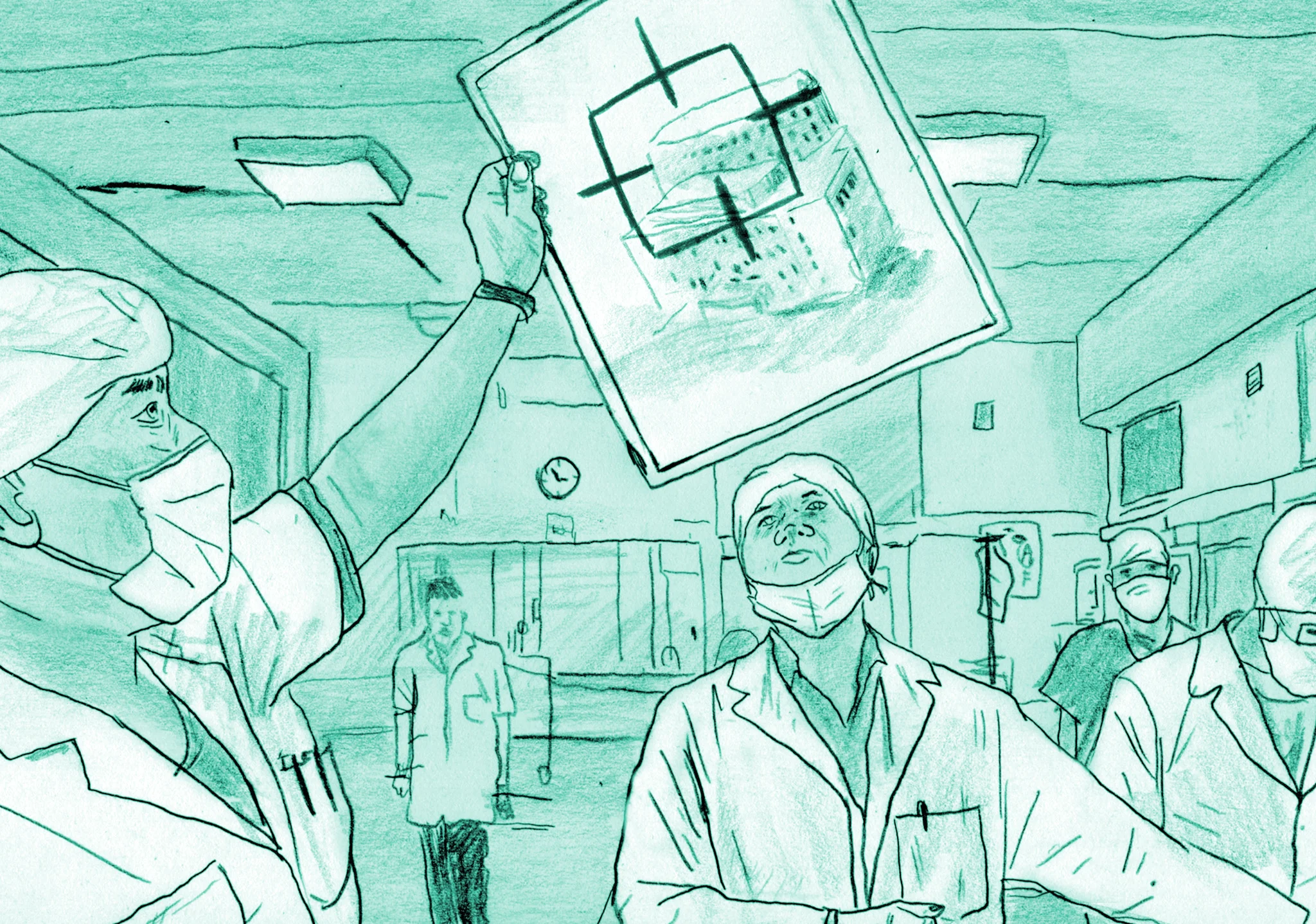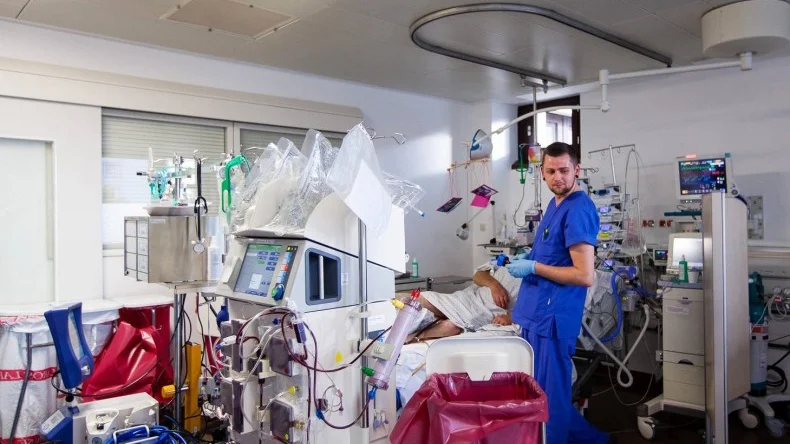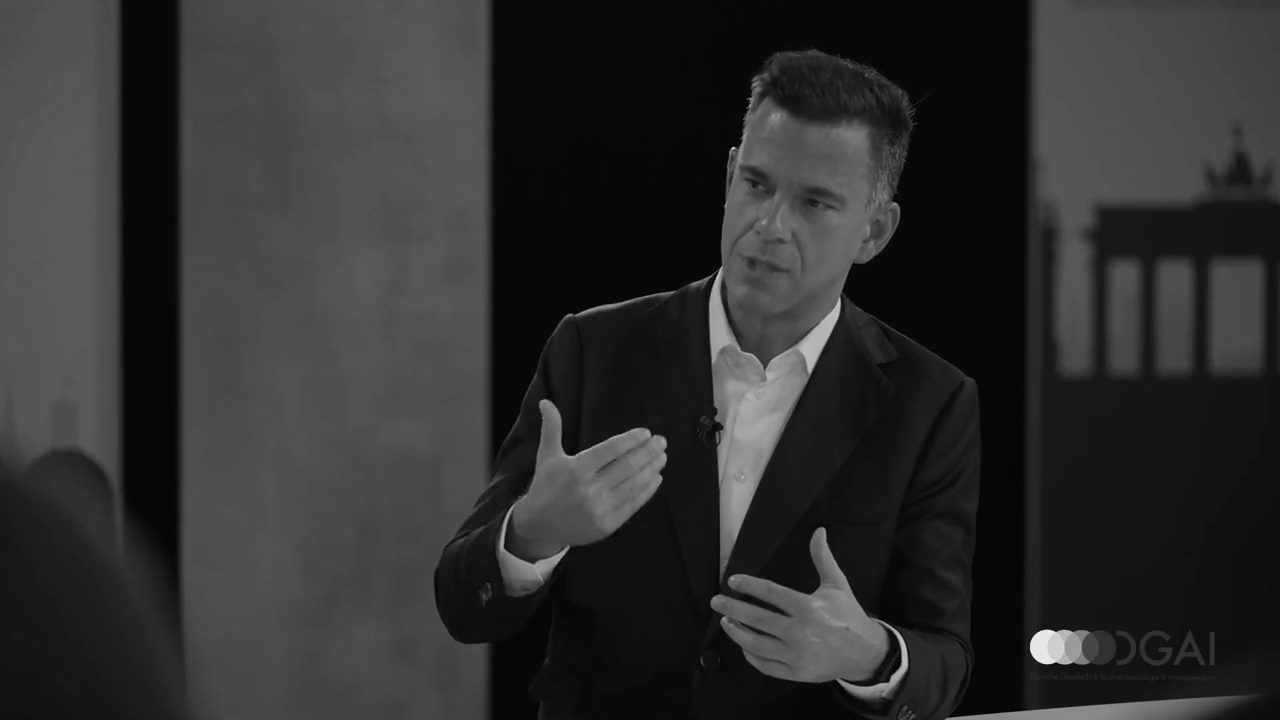
This year's Day of Intensive Care Medicine was held under the motto Zurück ins Leben — "Back to Life." The panel deliberately shifted the focus away from devices, numbers, and waveforms and toward the people who actually experience critical care: patients, their families, and the interprofessional teams who accompany them.
At the center of the discussion was the story of Cornelia Sichermann, who survived life-threatening sepsis and spent six months in hospital before finding her way back into everyday life. She was joined by a family member and by colleagues from medicine, nursing, and psychology — a constellation that made visible how differently the same intensive care unit is perceived from the bed, from the bedside chair, and from the professional side of the room.
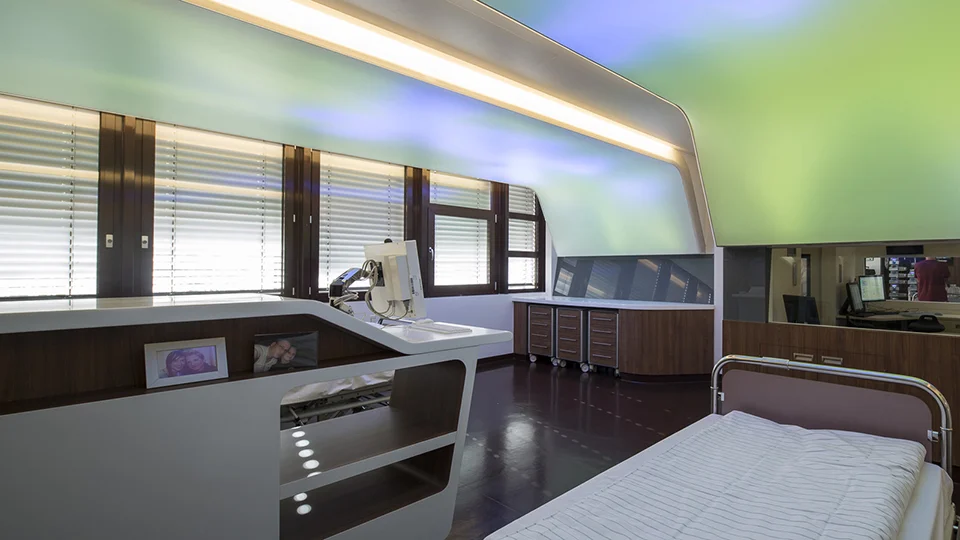
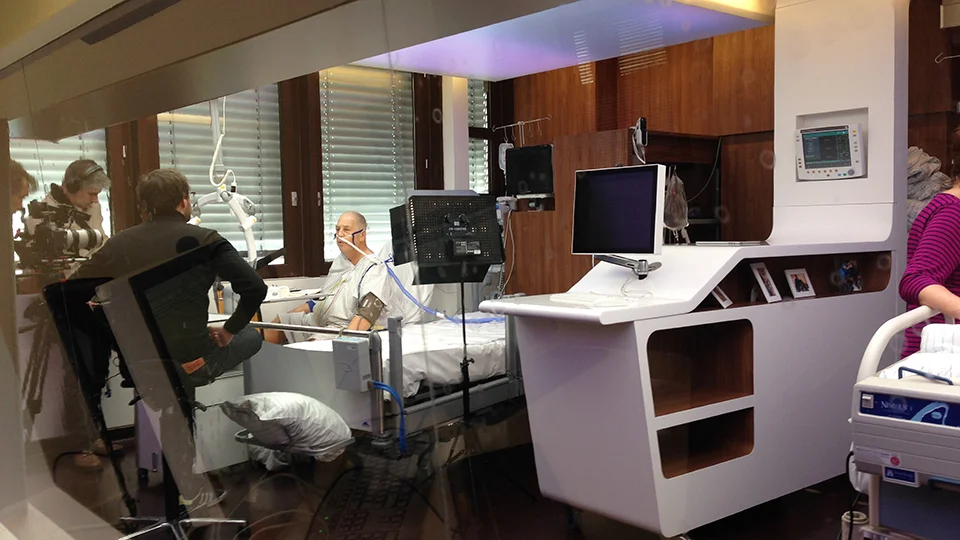
The excerpt we are publishing here concentrates on one thread of that conversation: how intensive care units and patient rooms are designed, and why that design is a clinical variable rather than an aesthetic afterthought.